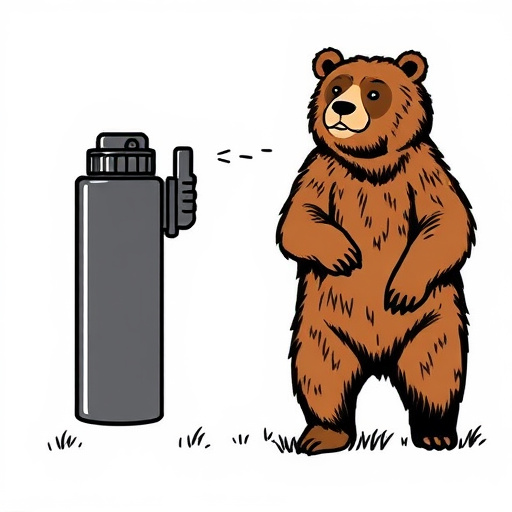
Bear spray is a vital safety tool for exploring bear country, but traveling with it requires understanding TSA rules. Passengers can bring small containers (2.75 oz or less) in carry-on luggage, while larger sizes go in checked baggage. To comply, check container dimensions, have valid prescriptions, and ensure proper packaging. Effective use involves aiming at the bear's eyes/face from 20-30 feet, shaking before use, and knowing reaction symptoms. Always retreat if sprayed and seek medical attention.
“Discover the power of bear spray—a crucial wilderness protection device that can mean the difference between a thrilling outdoor adventure and a potentially dangerous encounter. With an increasing presence in remote areas, understanding how to utilize this tool is essential. This comprehensive guide explores ‘Understanding Bear Spray: An Essential Wilderness Protection Device’, offering insights into ‘TSA Rules and Regulations’ for carrying bear spray while providing ‘Effective Use and Safety Tips’ specifically tailored for navigating the wild.”
- Understanding Bear Spray: An Essential Wilderness Protection Device
- TSA Rules and Regulations for Bear Spray Carrying
- Effective Use and Safety Tips for Bear Spray in the Wild
Understanding Bear Spray: An Essential Wilderness Protection Device
Bear spray, also known as bear repellent, is a crucial tool for anyone venturing into bear country. Understanding how to use and choose this wilderness protection device is essential for safe outdoor adventures. Bear spray creates a barrier between you and the bear by releasing a potent pepper spray that irritates the bear’s eyes, nose, and respiratory system, causing it to retreat.
The Transportation Security Administration (TSA) has specific rules regarding bear spray, ensuring safety during travel. These regulations dictate that bear spray must be packed in checked baggage, kept in its original container, and meet certain size and content requirements. By adhering to these guidelines, outdoor enthusiasts can ensure they have access to their bear spray while also maintaining security during flights. Knowing how to properly utilize this device and staying informed about TSA rules are vital steps towards a safe and enjoyable wilderness experience.
TSA Rules and Regulations for Bear Spray Carrying
The Transportation Security Administration (TSA) has specific rules and regulations regarding the carrying of bear spray in airport settings. This is due to the potential hazard that any aerosol spray poses, not just bear spray. According to TSA guidelines, bear spray is considered a liquid and therefore subject to the same restrictions as other liquids, gels, and aerosols (LGEAs). Passengers are generally permitted to carry small containers of bear spray (typically 2.75 ounces or less) in their carry-on luggage, but larger containers must be packed in checked baggage.
To ensure compliance with TSA Rules for Bear Spray, it’s crucial to check the dimensions and weight limits of your chosen container before heading to the airport. Additionally, passengers should have a valid prescription or proof of purpose for carrying bear spray, as requested by TSA agents. Proper packaging and labeling are also essential to avoid any issues during security screening.
Effective Use and Safety Tips for Bear Spray in the Wild
Using bear spray effectively in the wild is a valuable skill for anyone venturing into areas known to harbor bears. Remember, it’s meant as a last resort when all other avoidance tactics have failed. According to TSA Rules for Bear Spray, users should aim for the eyes and face of the bear, spraying from a safe distance (ideally 20-30 feet). Keep the can upright and shake thoroughly before each use to ensure proper distribution of the chemical agent.
Safety tips include always keeping bear spray readily accessible, regularly checking expiration dates, and understanding the range limitations. Be prepared for a strong reaction after spraying—bear spray creates a temporary but intense iritation that can cause coughing, tears, and difficulty breathing. Immediately retreat to a secure location away from the bear if sprayed, and seek medical attention if needed, as bears may still attack despite the spray.
Bear spray, an essential wilderness protection device, offers a powerful deterrent against bear encounters. Understanding both its effective use and the TSA rules for carrying it is crucial for anyone venturing into wild areas. By adhering to safety tips and staying informed about TSA regulations, outdoor enthusiasts can better protect themselves and navigate potential bear interactions with confidence.