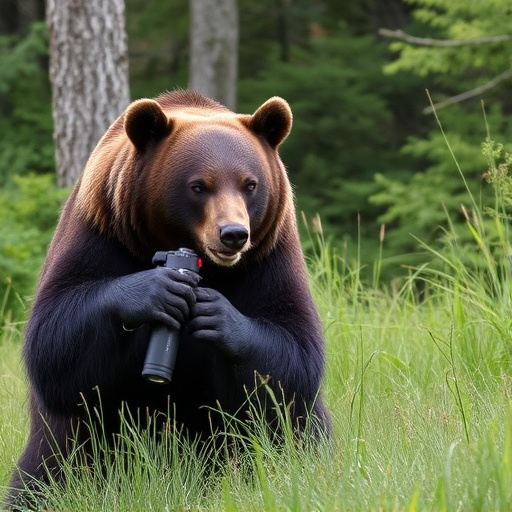
Understanding bear behavior is crucial for safety in regions with bear habitats, especially during spring and early summer when they protect their cubs and territory. The TSA regulates bear spray travel through specific rules, covering container size, ingredients, and application techniques to ensure effectiveness and maintain aviation security. Knowing these rules, choosing compliant products, and practicing proper usage can significantly enhance safety during wildlife encounters in "bear country." Responsible storage, disposal, and compliance with local regulations are also vital for avoiding fines and ensuring bear spray remains a reliable tool.
In the great outdoors, wildlife encounters can be awe-inspiring but also potentially dangerous, especially with bears. Understanding bear behavior and being prepared with the right tools are crucial for safety in bear country. This guide explores essential aspects of bear spray, a game-changer in protecting yourself during unexpected encounters. From understanding bear behavior to navigating TSA rules for carry-on items, this comprehensive overview covers everything you need to know about bear spray, ensuring your outdoor adventures remain safe and enjoyable.
- Understanding Bear Behavior: When and Where to Expect Encounters
- The Role of Tsa Rules in Bear Spray Regulation
- Types of Bear Spray: Active Ingredients and Effectiveness
- Proper Use and Application Techniques for Maximum Protection
- Storage, Disposal, and Legal Considerations for Bear Spray
Understanding Bear Behavior: When and Where to Expect Encounters
Understanding bear behavior is crucial when it comes to predicting and preparing for potential encounters, especially in regions where bears are known to inhabit. Bears are generally wary of humans and prefer to avoid us, but certain situations can trigger an aggressive response. The Tsa Rules for Bear Spray offer valuable insights into recognizing these scenarios. During late spring and early summer, when cubs are born, bears become more protective of their territory and food sources, increasing the likelihood of encounters with humans. Forests, campsites, and backcountry trails are common areas where such interactions may occur.
Knowing when and where to expect bears is essential for hikers and outdoor enthusiasts. Staying on marked trails, making noise to avoid surprising a bear, and carrying bear spray as recommended by Tsa Rules can significantly enhance safety during these encounters. It’s important to remember that each bear encounter is unique; understanding their behavior helps in interpreting their actions and responding appropriately.
The Role of Tsa Rules in Bear Spray Regulation
The Transportation Security Administration (TSA) plays a crucial role in regulating and ensuring the safe transportation of bear spray, a vital tool for wildlife encounter protection. These rules are designed to maintain order and prevent any potential hazards associated with hazardous materials during air travel. In terms of bear spray, the TSA has established guidelines that travelers must adhere to when carrying this equipment as hand luggage or checked baggage.
The Tsa Rules for Bear Spray dictate the permitted quantities, packaging, and labeling requirements. Travelers are allowed to carry a limited amount of bear spray in their carry-on luggage, ensuring it remains accessible during flights. The rules also specify that the spray must be properly packaged and labeled, clearly indicating its contents and safety instructions. By implementing these regulations, the TSA helps ensure the safe integration of bear spray into aviation environments while empowering individuals to protect themselves against potential wildlife encounters during their travels.
Types of Bear Spray: Active Ingredients and Effectiveness
Bear spray, also known as bear repellent, is a crucial tool for anyone venturing into bear country. When it comes to effectiveness, bear sprays vary in their active ingredients and strengths, but all are designed to create a barrier between you and bears by temporarily incapacitating them through irritation or pain.
The U.S. Transportation Security Administration (TSA) has specific rules regarding bear spray, ensuring safety and security for air travelers. Bear sprays must be in compliance with TSA guidelines, which include restrictions on container size and allowable quantities onboard aircraft. Active ingredients commonly found in bear sprays include capsaicin, a compound derived from chili peppers, and various types of oleoresin, extracted from plants like peppermin and horsemint. These ingredients are known to deter bears by causing temporary blindness, coughing, and difficulty breathing when sprayed directly onto the animal’s face.
Proper Use and Application Techniques for Maximum Protection
When using bear spray, understanding the TSA rules for bear spray is crucial for maximum protection during a wildlife encounter. The Transport Security Administration (TSA) regulates what types of spray are permitted on flights and in secure areas. Bear spray designed for defensive purposes against bears must meet specific criteria, such as an air pressure of 2.9 to 3.5 oz per second, a minimum concentration of 1.75% capsaicin, and a range of at least 20 feet (6 meters). It’s essential to choose a product that complies with these TSA rules for bear spray to ensure its effectiveness when needed.
Proper application techniques are equally vital. Aim for the face and eyes of the bear, as this area is highly sensitive. Hold the can upright and approximately 15-20 feet away from the bear, then trigger the spray in a continuous stream. The goal is to create a barrier of capsaicin between you and the bear, distracting it long enough for you to retreat or seek safety. Practice with a training device before relying on bear spray during actual encounters to familiarize yourself with the can’s mechanics and range.
Storage, Disposal, and Legal Considerations for Bear Spray
When storing bear spray, it’s crucial to keep it out of reach and in a secure location, especially if you’re traveling or hiking in bear country. The Transportation Security Administration (TSA) has specific rules for carrying bear spray on flights, allowing only approved, empty containers under 355ml (12 oz). Once used, empty cans should be disposed of responsibly; never leave them behind in the wilderness as they can pose a risk to other wildlife and humans.
Legal considerations vary across regions, so it’s essential to understand local regulations before purchasing bear spray. Some areas require permits or registration for certain types and quantities. Always carry your proof of purchase and ensure you’re compliant with all applicable laws to avoid fines or legal issues. Remember, proper storage, disposal, and adherence to TSA and local rules are vital steps in ensuring the safety of both yourself and wildlife encounters.
In conclusion, understanding bear behavior, adhering to TSA rules for bear spray, selecting the right type with effective active ingredients, and mastering proper application techniques are key to ensuring maximum protection during wildlife encounters. Always remember to store, dispose of, and use your bear spray responsibly while respecting local regulations. Armed with knowledge and the right tools, you can navigate these encounters safely in their natural habitats.